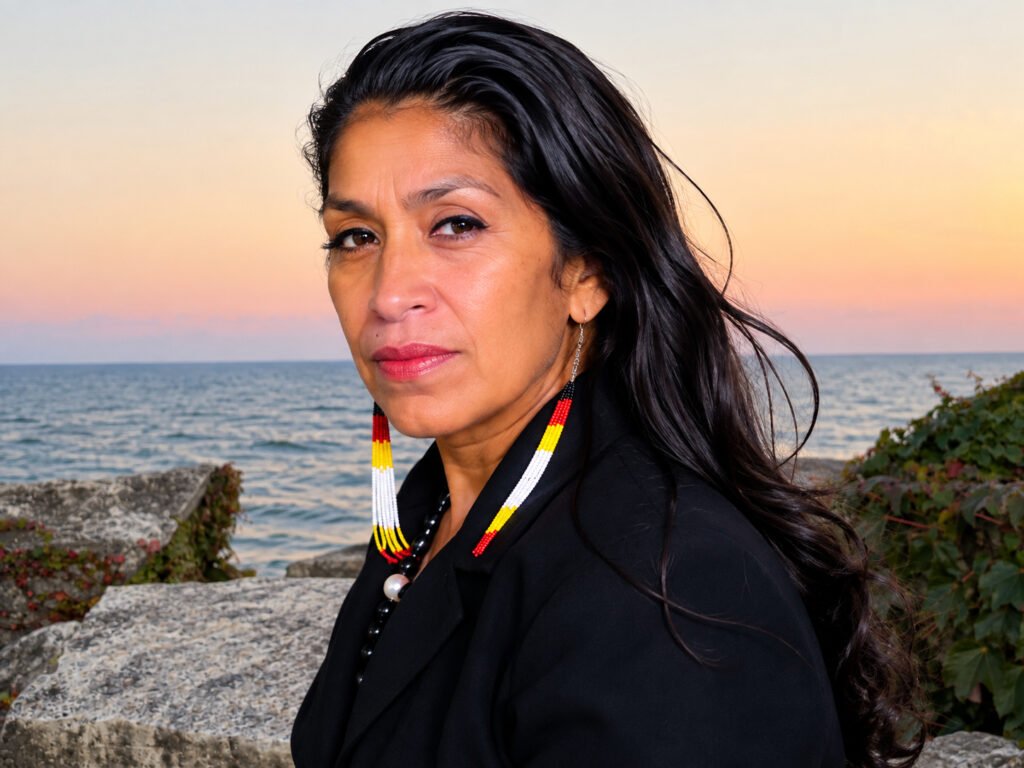
SUSANA SANDOVAL
“Some journeys begin with a destination. Others begin by answering a call.”
Artist • Educator • Cultural Worker • Human Rights Advocate
Susana Sandoval is an interdisciplinary artist, educator, cultural bridge-builder and international advocate for Indigenous Peoples whose work has spanned more than four decades across community organizing, journalism, public service and human rights.
STANDING ROCK 2016-2026
Ten years later, a reflection on prayer, sovereignty, service and what remains.
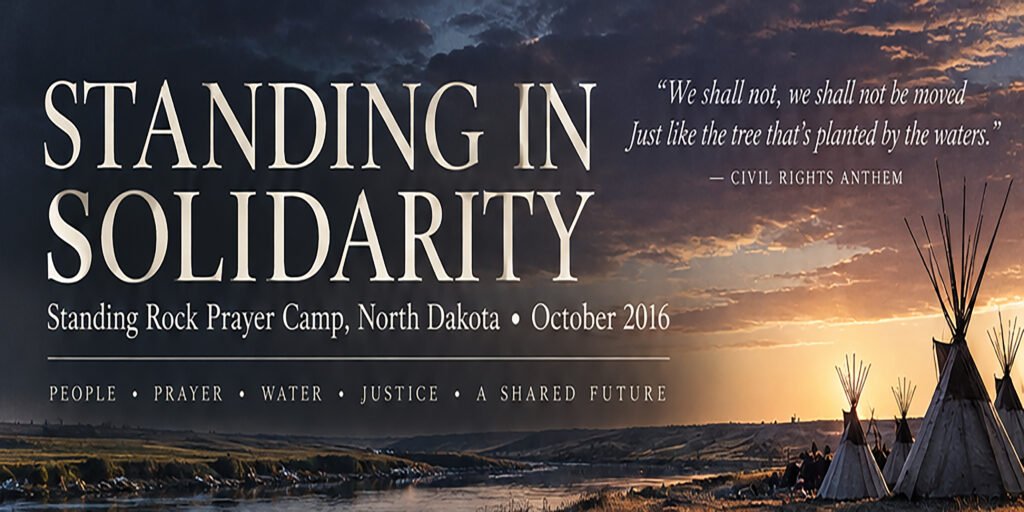
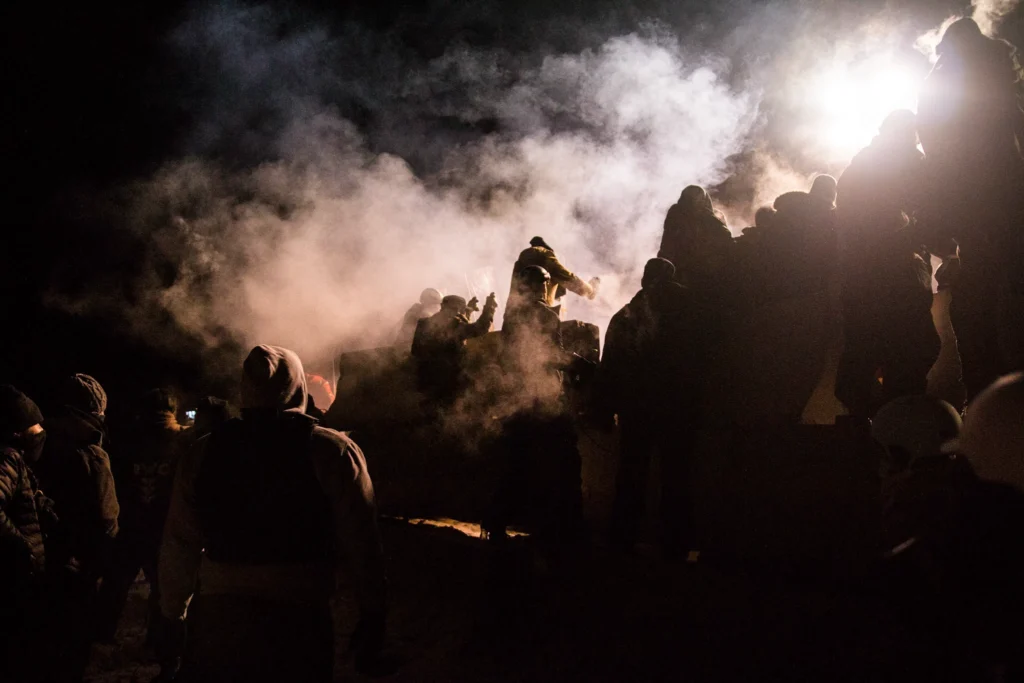
In 2016, thousands of people from Indigenous nations and communities around the world gathered in Cannonball, North Dakota, near the Standing Rock Sioux Reservation. What was widely described as a protest against the Dakota Access Pipeline was experienced by many who came there as something more: a gathering grounded in prayer, responsibility, sovereignty and the protection of water.
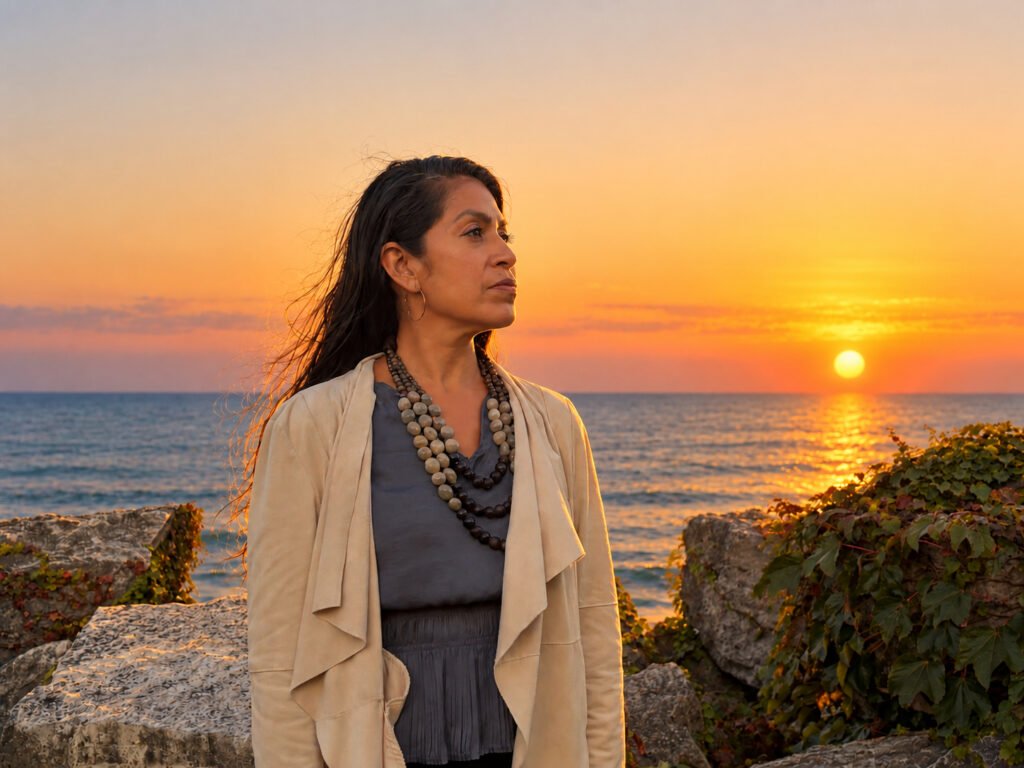
“I came to Standing Rock believing that I was coming to serve. What I encountered there changed my understanding of service.“

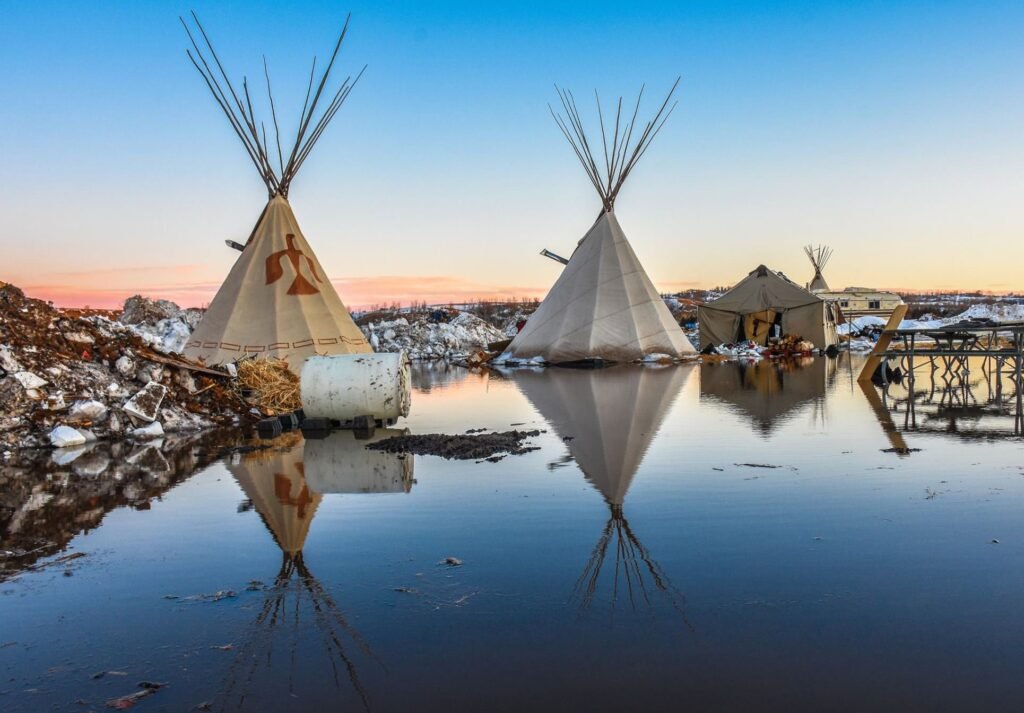
The encampments at Standing Rock became known around the world through images of resistance. But for Susana, that description has always felt incomplete. She remembers a place shaped not only by opposition to the Dakota Access Pipeline, but by prayer, ceremony, community and a shared responsibility to protect the water.
“I have always called it a prayer camp. We were there to protect the water, yes—but there was something much deeper happening. People came from many places, bringing their prayers, their traditions, their songs and their sense of responsibility. I came there believing that I was coming to serve. What I encountered changed my understanding of service.”
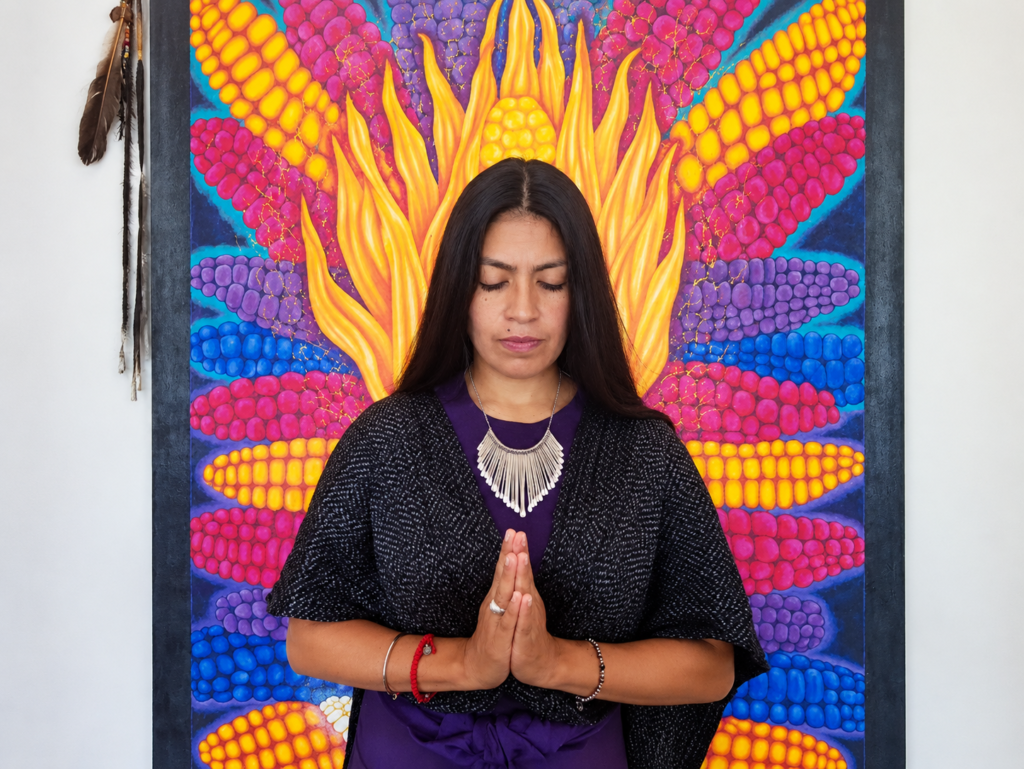
PRAYER BECAME SERVICE
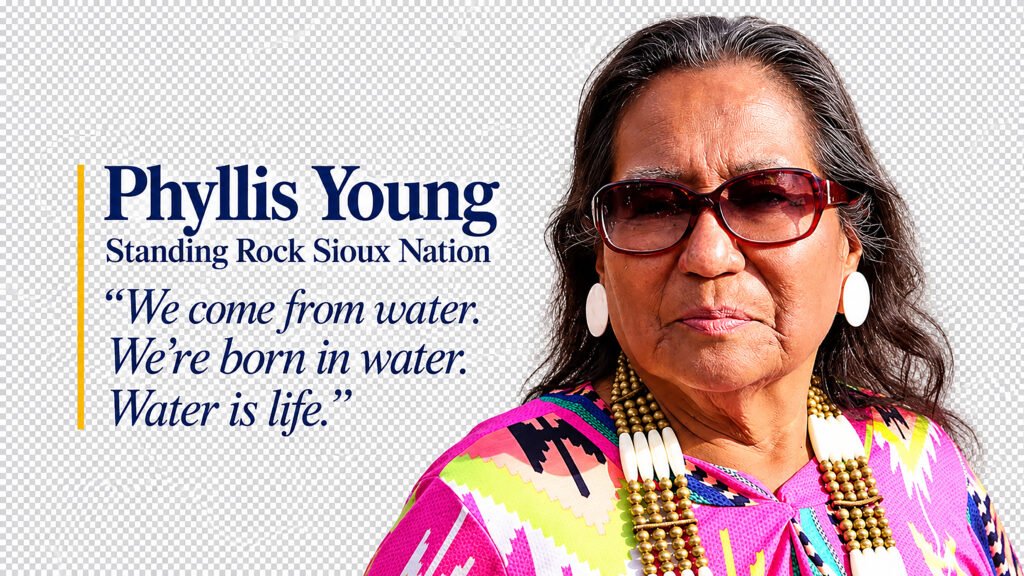
At Standing Rock, that service became practical as Susana worked as the assistant of Phillis Young, then Tribal Consultant and organizer of the Standing Rock camp. Working with Young and other tribal leadership and organizers, Susana helped navigate media, communications and logistics while responding to the immediate needs of people arriving at the camps. Her work included helping coordinate resources for housing and coordinating food procurement and distribution for women and children while, also advocating for greater attention to civil and human-rights concerns by inviting members of the Human Rights Commission to observe.
“Standing Rock required all of us to ask a very simple question: What can I do that is useful? Sometimes that meant speaking. Sometimes it meant making a phone call, finding a place for someone to sleep, connecting people who needed to find one another—or simply listening.”
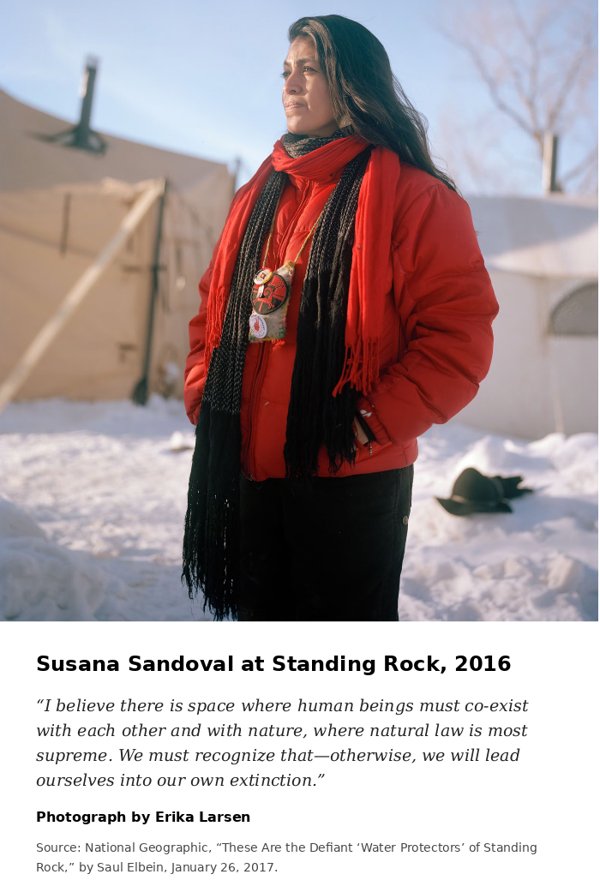
Susana did not arrive at Standing Rock as an observer. Her path there had been shaped by decades of work across education, community organizing, civil rights and political engagement. By 2016, those experiences had given her something especially valuable in a rapidly changing environment: the ability to move between communities, institutions, media and public figures while remaining focused on the needs of the people she had come to serve.
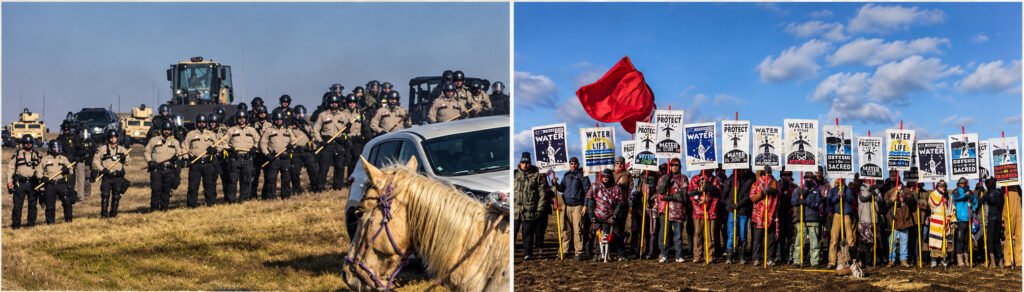
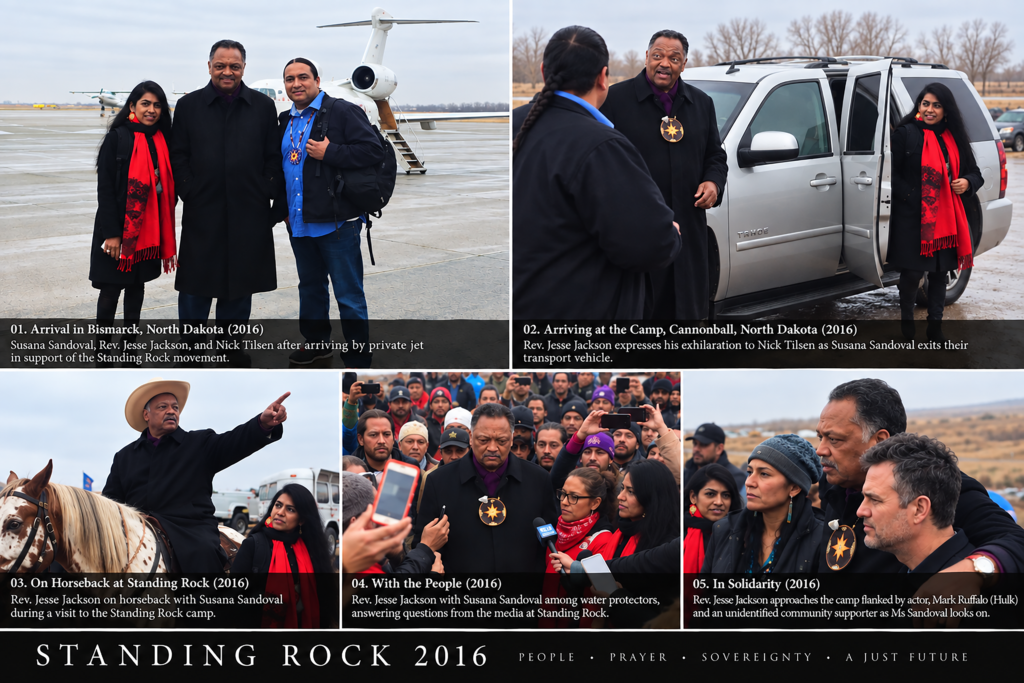
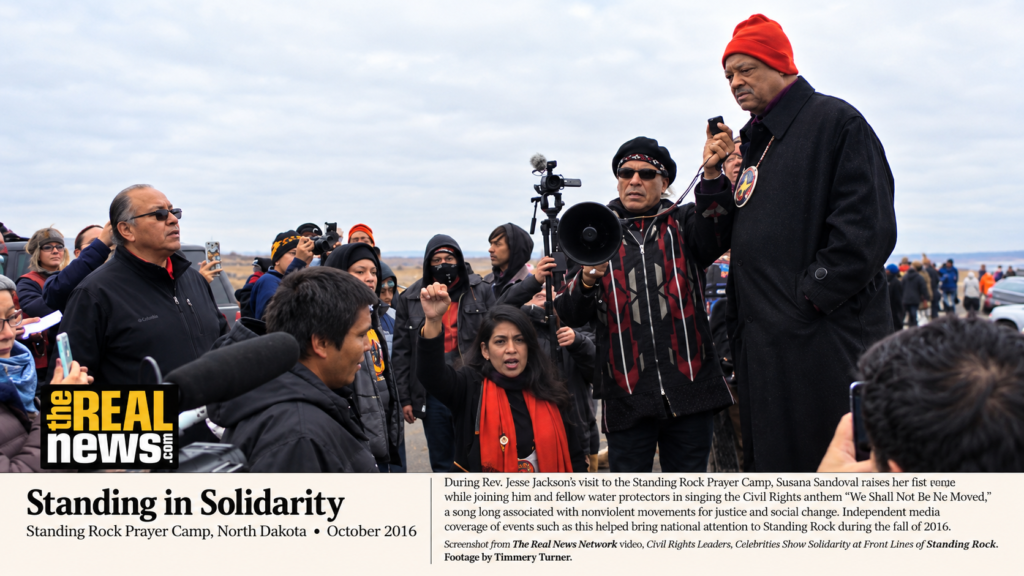
As tensions surrounding the camps intensified, Susana’s earlier relationships became another resource. Years before Standing Rock, she had worked with Rev. Jesse Jackson through Operation PUSH in Chicago. She recollects that when Standing Rock Sioux Tribal Chairman David Archambault II asked her to invite Rev. Jackson to North Dakota in support of the people gathered there, she visited Jackson that same day at his Operation PUSH offices to convey the request. She remembers Jackson’s immediate reply, “I would love to go- how about tomorrow?” Sure enough, the very next day, Susana accompanied Rev. Jackson to North Dakota aboard a private jet provided by Chicago developer Elzie Higginbottom. She shares her memory that, “While in flight, Rev. Jackson and I worked on development of the best three main media talking points for that specific audience.”
Susana first met Alexandria Ocasio-Cortez when Ocasio-Cortez was a teenager participating in programs of the National Hispanic Institute, where Susana served as a counselor and later as a trustee. Their paths would intersect again through Standing Rock.
In November 2016, Vogue released Stories From Standing Rock, a short documentary filmed at the camps and nearby demonstrations. Among the voices heard in the film is a woman from Chicago who describes herself as a “harmony keeper”—the term Susana used for a role informed in part by her life as a musician, poet and artist.
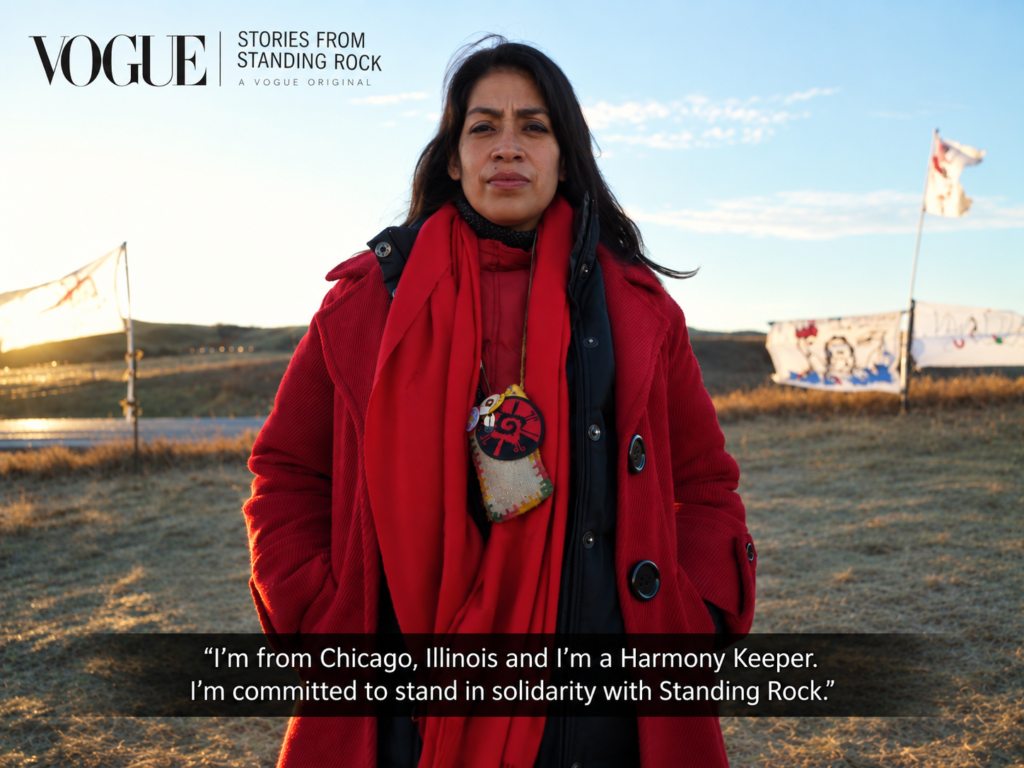
Years later, Ocasio-Cortez would tell a strikingly similar story. She recalled seeing on social media that a woman she had met years before was at Standing Rock working as a “harmony keeper.” (Harmony Keeper is a designated community leadership and service role within the Standing Rock Prayer Camp responsible for welcoming visitors, coordinating communication, and helping maintain the camp’s culture of prayer, cooperation, and nonviolence). Ocasio-Cortez contacted Ms Sandoval and initially asked whether the camp needed clothing or supplies. According to Ocasio-Cortez’s account, the response was an invitation to do something more: come to Standing Rock herself. Susana remembers that conversation—and what followed—from the other side. “Alexandria asked how she could support what was happening at Standing Rock. I told her that the best way to understand it was to come—to experience the camp firsthand. When she arrived, I orientated her into the camp and arranged for her housing.” — Susana Sandoval, 2026 recollection
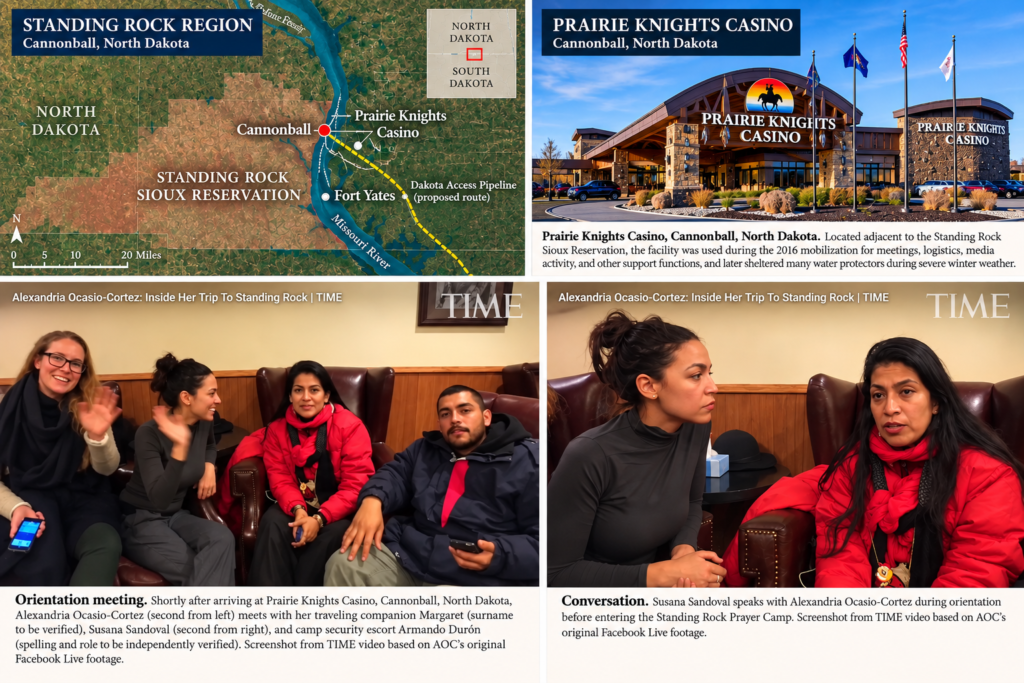
AOC later put it this way:“I first started considering running for Congress, actually, at Standing Rock…”
On the drive away from Standing Rock, Ocasio-Cortez received a call from Brand New Congress asking her to consider running for the U.S. House of Representatives in New York’s 14th Congressional District. Susana remembers another conversation after the campaign began: Ocasio-Cortez asked whether she would join her campaign staff. Susana declined. She was moving into a new phase of international human-rights work and made a personal decision not to combine that responsibility with the role of political strategist.
FROM STANDING ROCK TO WASHINGTON
Standing Rock did not end when people began leaving the camps. For Susana, the work followed her beyond North Dakota. In February 2017, after leaving Standing Rock, she traveled to Washington, D.C., and joined members of the Sioux delegations including Lakota activist Joann Spotted Bear to a federal court hearing concerning the Dakota Access Pipeline. A photograph published by Courthouse News Service documented Sandoval and Spotted Bear outside the courthouse that day. The article identified Susana as a Chicago water protector who had spent approximately two and a half months at Standing Rock. Her work did not end when people began leaving the camps. For Susana, the work followed her beyond North Dakota.
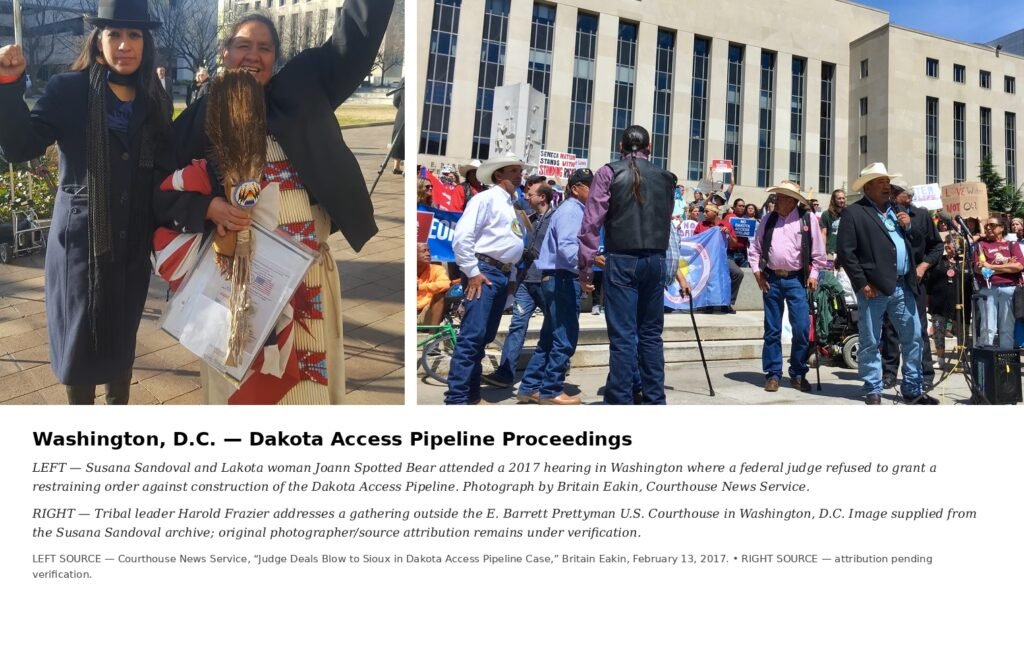
The proceedings concerned an effort to stop construction following the Army Corps of Engineers’ issuance of the final easement permitting the pipeline to cross beneath Lake Oahe. Outside the courthouse, questions of water, treaty rights and sovereignty continued in conversations between tribal representatives, journalists and those who had traveled from Standing Rock. Joann Spotted Bear challenged the legal process publicly, questioning whether a federal district court should determine matters involving Indigenous treaties. Interviewed there by Courthouse News Service, Susana spoke about what she believed Standing Rock represented beyond a single pipeline, stating that, “The indigenous peoples are standing up because we believe that we have a right and a responsibility to protect Mother Earth.” — Susana Sandoval, Washington, D.C., February 2017
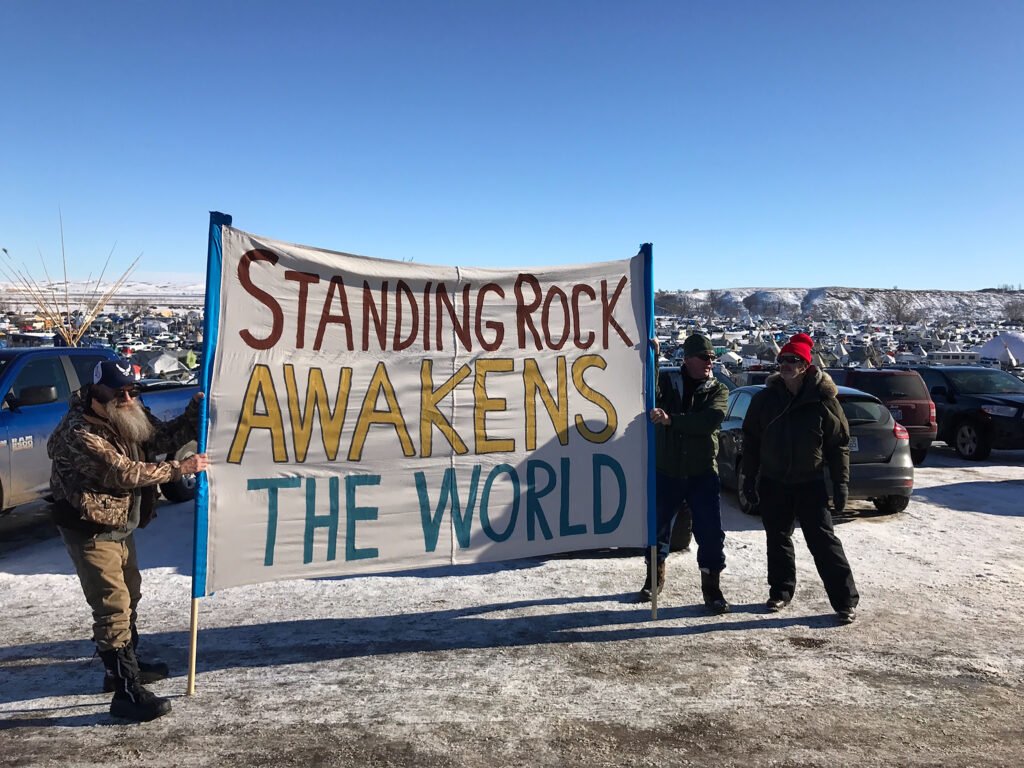
Standing Rock’s influence could not be measured only by what happened along the Missouri River. People carried the experience home with them—to courtrooms, classrooms, communities, art, public service and lives that would take directions not yet imaginable while the camps were standing.
TEN YEARS LATER
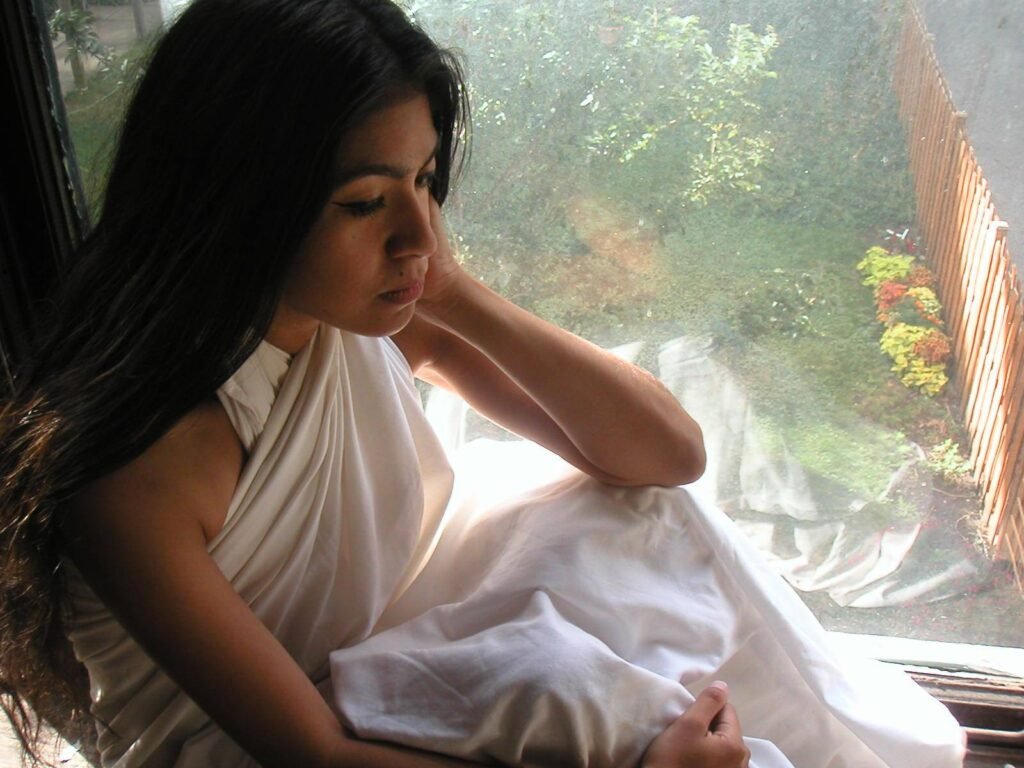
“On the weekend of September 16-18, 2026 many of us returned home to Standing Rock to visit with the land and our family members there. We offer prayers for those that have crossed over to be ancestors in the last ten years. We witness what is and shall remain: our efforts as family commemorating our love for our ancestors and the quest for justice and rightfulness. Standing Rock has and shall always be a convergence of ancestral voices birthed since time immemorial that are our future is in the now. Our celebration of reunion this weekend is a communion with Unci Maka (Grandmother Earth) forevermore embedded in our hearts, spirit aligned for the thanksgiving realized. At least one Standing Rock prayer camp family member is currently seeking public office while others have run for office and have served in various forms of public service. ” — Susana Sandoval, 2026
This Journey Continues. . .
The story of Susana Sandoval did not begin or end at Standing Rock. The pages you have visited represent a chapter, of a much larger and amazing story.
Over the coming weeks this collection will continue to grow, revealing Susana’s works as an interdisciplinary artist; including essays, poetry, music, visual artwork, photography, documentary film projects, historical archives, interviews, and reflections spanning more than four decades of work in education, journalism and Indigenous advocacy as a United Nations Commissioner. HERE is a short preview on the Page: Walk Between Worlds
Rather than presenting a completed archive, this site is unfolding much as memory itself unfolds—one conversation, one image, one story at a time.
Thank you for walking this first path with us.
Please visit again as new chapters emerge.

Curated by CHI WORLDVIEW STUDIOS © 2026 in collaboration with Susana Sandoval